
Boost Visibility in Google's AI Answers
Marketing, SEO, Google AI Answers
How Your Business Can Get Found in Google’s AI Answers
There is no guaranteed route into Google’s AI answers. Google itself says that its usual search engine optimisation practices still apply. Your best move is simple but demanding: make your business easy to understand, answer useful questions, and clearly show why someone should trust you. Done well, this helps the right people find you whether they see an AI answer, a traditional search result, or both.

Accept What You Can’t Control: No Guaranteed Route In
First, be honest about the landscape: there is no guaranteed route into Google’s AI answers. You cannot submit a special form, add a magic tag, or pay to be included. The systems decide which pages to quote, summarise, or reference based on relevance, clarity, and trust signals across the web. Treat AI answers as another way your content might be surfaced, not a separate channel you can directly optimise for.
Solid Foundations: SEO Basics Still Matter
Google has been clear that its usual search engine optimisation practices still apply. That means:
Clear page titles and headings that match what the page is about
Descriptive, human-friendly URLs and meta descriptions
Fast, mobile-friendly pages that are easy to navigate
When AI systems scan the web, they rely on the same signals. If your basic SEO is neglected, you make it harder for both Google Search and Google’s AI answers to understand and use your content.
Make Your Business Easy to Understand in Seconds
To be selected, your site has to be legible to machines and humans. Make your business easy to understand by stating, in plain language, who you are, what you do, and who you serve. Avoid vague buzzwords. If you are a bookkeeping firm in Bristol working with small trades businesses, say exactly that high on the page. Clear, specific language helps Google classify you correctly and helps buyers feel they are in the right place.
Start With the Questions Buyers Ask Before They Contact You
AI answers are built around questions. So your content should be too. Focus on starting with the questions buyers ask before they contact you. Think about the calls and emails you receive:
“How much does this typically cost?”
“How long does it take?”
“What’s included, and what isn’t?”
Turn those into headings and short, direct answers on your site. This makes it easier for AI systems to lift accurate, on-topic information from your pages, and it reassures buyers that you understand their concerns.
Make Each Service Page Strong Enough to Stand Alone
Many websites treat service pages as thin placeholders. For AI answers, that is a missed opportunity. Make your service pages clear enough to stand on their own. Each one should explain:
Who the service is for and what problem it solves
How the service works, step by step, in simple terms
Typical timelines, price ranges, or packages where appropriate
A well-developed service page can answer a complete question on its own, which is exactly the kind of content AI systems look for when building summaries.
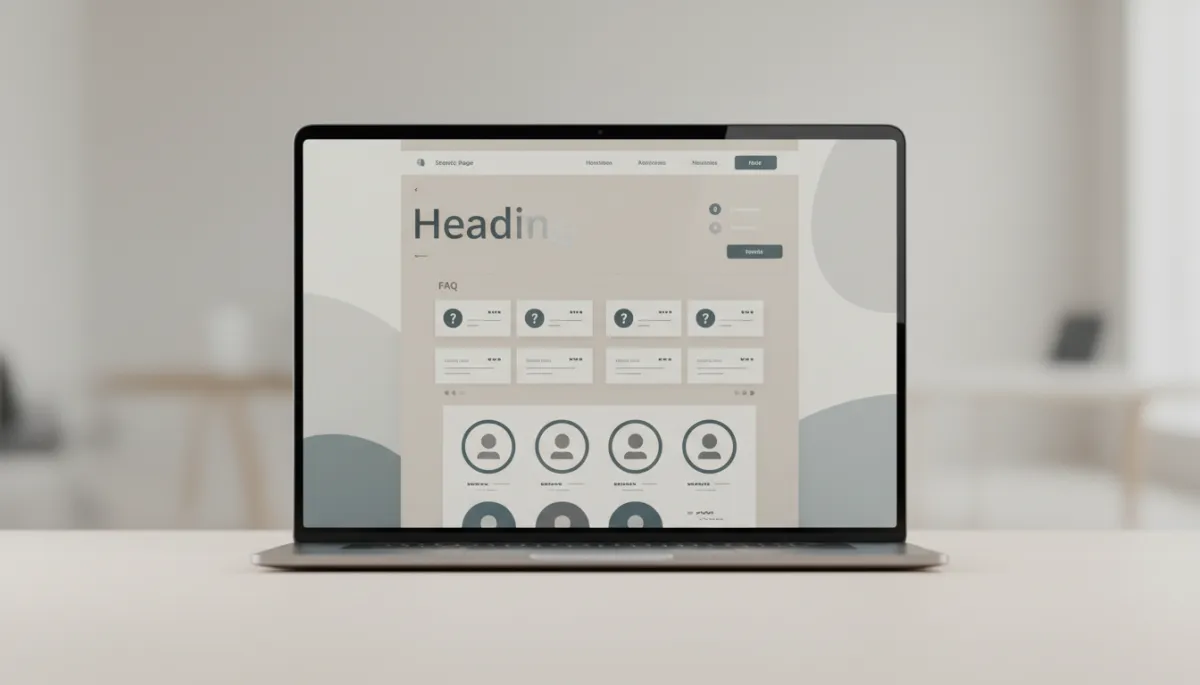
Strong service pages that mirror real buyer questions are more likely to be surfaced.
Offer What Generic Articles Can’t: Your Experience and Detail
The web is full of shallow, generic advice. To stand out, add something a generic article cannot offer: your data, your stories, your process. Include real examples, local context, and specifics from your work. AI systems are trained on huge amounts of generic content; when your page goes deeper and more concrete, it becomes a better source to quote and a more persuasive resource for humans.
Build Trust: Show Why Someone Should Believe You
Visibility alone is not enough. You must also show why someone should trust you. Add short case studies, testimonials, years of experience, qualifications, and clear contact details. These “trust signals” help buyers feel confident and align with Google’s emphasis on expertise, experience, authoritativeness, and trustworthiness. A page that looks credible to a person also tends to look safer for an AI system to reference.
Make It Obvious Who Is Behind the Advice
Anonymous advice is harder to trust. Make it clear who is behind the advice on your site. Add author names, roles, and short bios to key pages and articles. Link to an “About” page that explains your business, team, and background. When AI systems and readers can see that real, accountable people stand behind the content, it sends an important quality signal.
Check That Google Can Actually Access the Page
None of this matters if your content is invisible. Check whether Google can access the page. Make sure it is not blocked by robots.txt, hidden behind a login, or buried in scripts that search engines struggle to read. Use tools like Google Search Console’s URL inspection to confirm that important service pages are crawled and indexed. AI answers can only draw on what Google can see.
Give Interested Readers a Sensible Next Step
Suppose a buyer discovers you through an AI answer and clicks through. What happens next? Give interested readers a sensible next step. That might be a short enquiry form, a link to book a call, a pricing guide, or a downloadable checklist. Make the next action clear, low-pressure, and relevant to the question they were trying to solve. This turns visibility into real opportunities.
Measure What Matters: Business Outcomes, Not Vanity Metrics
It is tempting to obsess over impressions or rankings, but the real test is impact. Judge the work by useful business outcomes. Track qualified enquiries, sales conversations started, proposals sent, or revenue influenced by organic search. Whether a visitor arrives via AI answers or a standard result, the question is the same: did your improved content bring in the right kind of business?
Start Small: One Service and Five Questions
This can feel like a big project, but you do not have to rebuild your whole site at once. Start with one service and five questions. Choose a service that matters to your business. List the five real questions buyers ask most often about it. Then:
Rewrite the service page so it clearly explains the offer in plain language.
Add each question as a heading, with a concise, honest answer underneath.
Include at least one example, story, or detail only your business can provide.
Once you see results, repeat the process for other services. Over time, you build a library of AI-friendly, buyer-focused pages.
📌 Key Takeaway: You do not need special AI tricks. You need clear, honest answers to real buyer questions, presented on accessible, trustworthy pages.
Help the Right People Find You by Improving Your Site
In the end, you help the right people find your business by improving your website and content, not by chasing loopholes. When your pages are easy to understand, answer useful questions, and clearly show why you are trustworthy, you put yourself in the best position to be featured in Google’s AI answers and in traditional results. More importantly, you make life easier for the buyers you want to work with—and that is what really grows a business.
Help the right people find your business
If your website does not clearly explain what you do or answer the questions your buyers ask, let’s talk.
At Llumor, we bring strategy, branding and lead generation together to help ambitious businesses build trust and win suitable clients.
Book a discovery call to discuss your website, your content and where your business could be easier to find.
